
From the Suburbs to Rural Land to Homestead
Table of Contents
Transitioning from a conventional suburban lifestyle to rural land development isn’t just a change of address—it’s a change in mindset. Whether you are eyeing raw acreage or planning a custom build, this guide is your roadmap. We’ll walk through the reality of rural development, from property evaluation and essential infrastructure to the hard decisions that turn a parcel of land into a self-sufficient homestead.
This is a living document; if you have experience, questions, or a ‘lesson learned’ to add, let us know!
We are just now discussing these and getting the skeletons together, join us and help out!
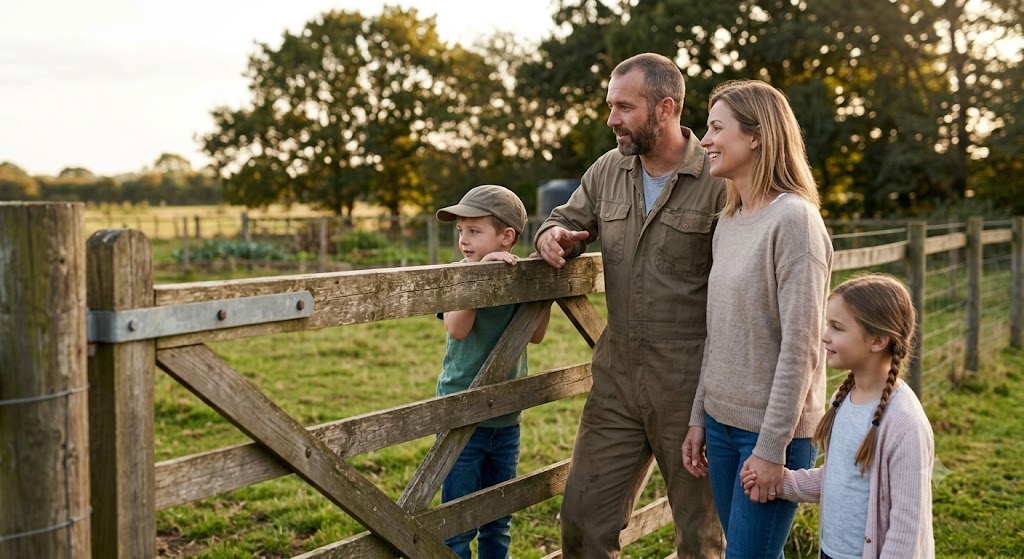
Contemplating the Move: Is Rural Living For You?
Everyone has a reason for considering the rurals. Maybe you’re seeking the quiet of a slower pace, tired of the constant hum of traffic, or simply wanting more space to breathe. But the transition from suburbia isn’t just about changing your zip code—it’s about changing your mindset. Before you bargain for that property, you have to be honest with yourself: are you ready to be your own utility provider, land manager, and emergency responder?
Not that you MUST become each of these at all times, but situations do arise. Rural land development can be a large undertaking.
Key Takeaway:
QRC (Quick Reality Check): Rural living trades convenience for self-reliance. If you’re ready to trade traffic for frogs (maybe crickets) and city services for personal responsibility, you’re in the right place.
Doing Your Due Diligence: What to Look For
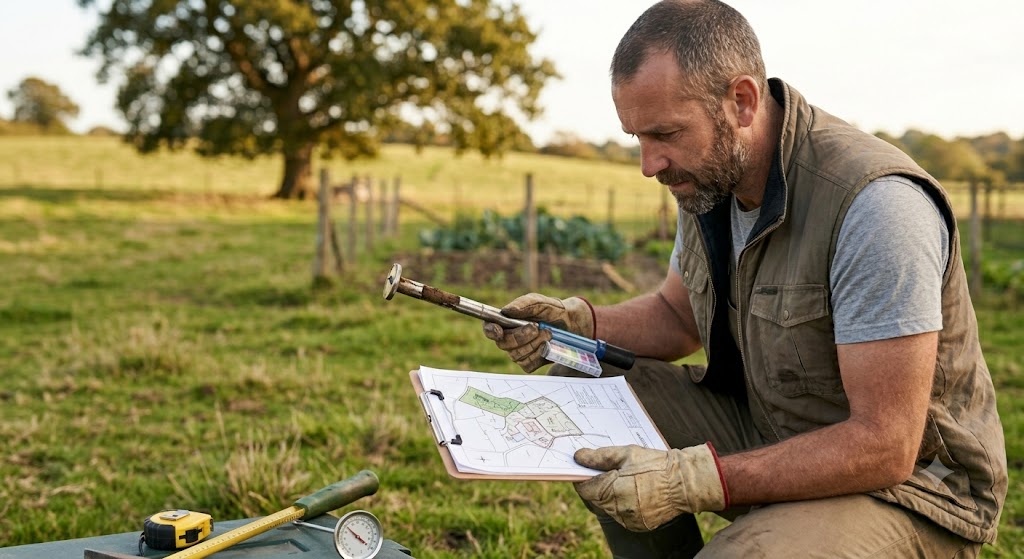
Envisioning the curb appeal is where the real rural land development work begins. A beautiful 2-acre parcel can hide the fact that there is no water available, potable or for irrigation. Does the ground perc well, how deep are the water tables in the area, have they been dropping.
Your due diligence isn’t just a hurdle to clear for your bank account; it’s your first lesson in rural land development. Focus on the “Big Three”: water reliability (potable and irrigation), soil health, and existing structural integrity or anything that has been built.. If the ground, the flow, or the fence line is compromised, know the cost to fix it before you sign the deed – know if some things are just not fixable.
Key Takeaway:
QRC: Never trust a “turnkey” description in the rurals. If you can’t verify the infrastructure health yourself, hire a professional who understands rural code—it may prove to be the cheapest insurance policy you’ll ever buy. Make sure you do NOT hire a realtor or current owner suggested professional, do you research.
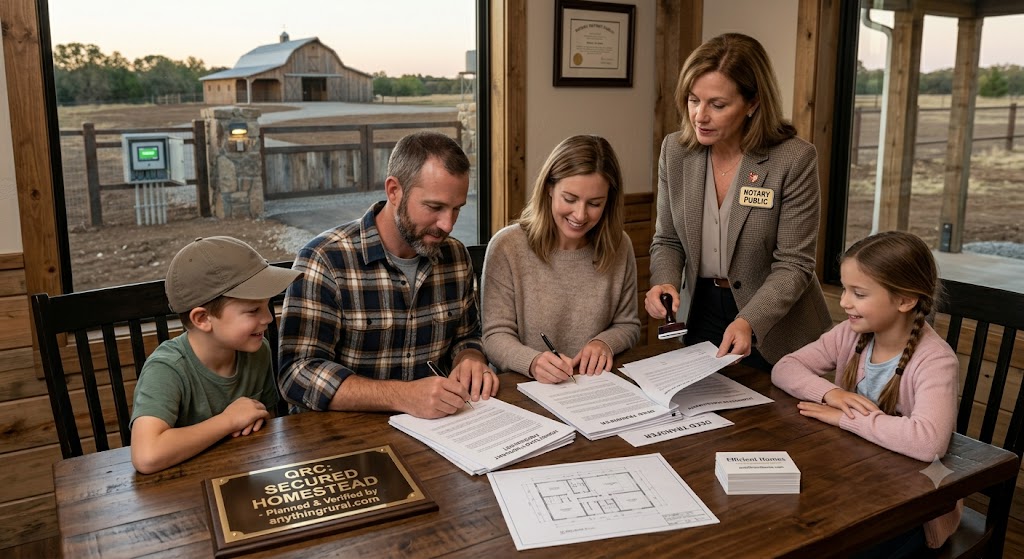
Securing the Land: Purchasing
Once you’ve acquired your property, the focus shifts from finding to fortifying. Securing your homestead isn’t just about locks on doors; it’s about establishing the physical and legal perimeter that protects your investment and your family.
This phase is about three core pillars:
Operational Continuity: Building the systems that allow you to manage the property efficiently. This is where you transition from “new owner” to “homestead operator,” creating the routines for maintenance, documentation, and emergency response.
Infrastructure Defense: Ensuring your power, water, and access routes are weather-proof and reliable year-round. This means planning for redundant systems—because in the rurals, the grid or the city services might be hours away during an emergency.
Perimeter Management: Defining your property lines clearly and managing the land to mitigate risks like fire or erosion. Whether it’s clearing defensible space or establishing physical markers, control starts at the fence line.
Key Takeaway:
QRC: A secure homestead is a planned homestead. Don’t wait for a crisis to realize your access road is impassable or your backup power isn’t configured. Build your defenses during the “quiet times” so they’re ready when you need them most.
Securing the Land – Fire and Fences
asffsdfsfsfg
Key Takeaway:
QRC:
Planning the Build – Home and Infrastructure
asdgfsggdfgfgfgdfgfg