
Table of Contents
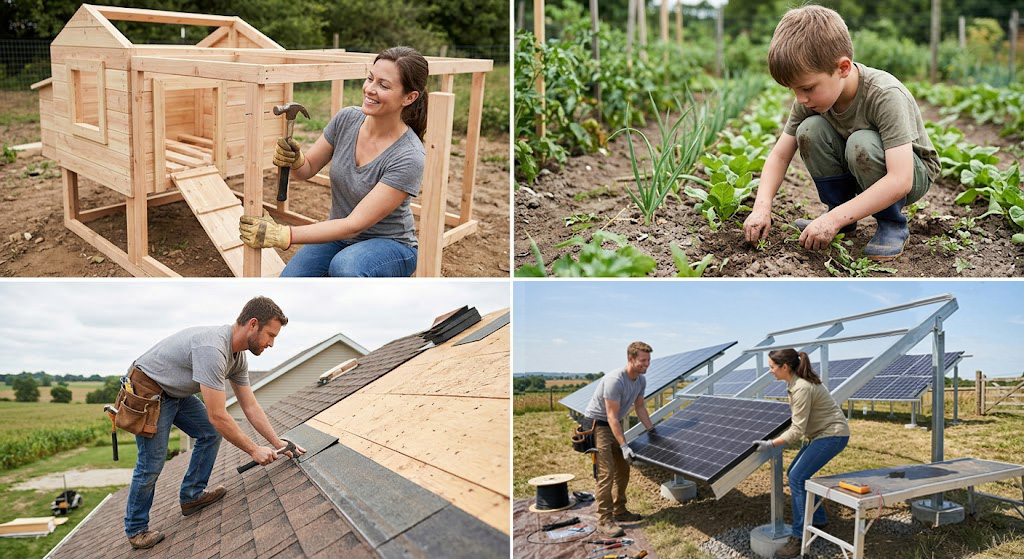
Rural DIY happens because when one is living outside a city, it becomes more than just a change of address. For most of us, it’s a commitment to figuring things out on our own. Look, this site isn’t for people who just want to write a check and hire someone for every little job, let alone a full blown contractor. For many of us, “Do It Yourself” isn’t a weekend hobby—it’s a necessity we willingly choose. This community is a place where we can learn from each other, share what works, and build the practical skills to care for our properties to the best of our abilities.
## Resilience: Rural DIY means Not Waiting on a Repairman
When you live out here, a broken pipe, a down fence, or a power issue can’t always wait for a service truck to show up from town—if they even service your area at all. Developing the skills to troubleshoot your own equipment and handle your own repairs isn’t just about saving money; it’s about the security of knowing your property can keep running smoothly, no matter what comes up.
## Sharing the Load: Why This Community Matters
No one starts out knowing how to fix everything. We all face that moment of staring at a broken piece of equipment or a failed project, trying to figure out the next step. That’s exactly why this community exists. By sharing what we have found works and did not work, our hard-earned lessons, we make rural living a little more manageable for everyone.
## Expanding Your Rural Toolkit: Beyond the Basics
You don’t need to be a licensed electrician or a master plumber to make a significant impact on your property’s health. However, you do need a methodical approach. Start by building a “Troubleshooting Library” for your specific home systems.
For instance, document the model numbers and maintenance schedules for your solar inverters, pump controllers, and HVAC units. When you know your equipment’s “normal” operating behavior—like the specific sound of a well pump under load or the standard voltage range of your solar array—you become the first line of defense. When something eventually goes sideways, you won’t be starting from zero; you’ll be starting from an informed position.
## Safety First: The AHJ, NEC, UPC, IBC and Local Codes
When we take on DIY work, we sometimes have the words “Just get ‘er done” running through our minds – we are busy! Sometimes this means” getting it working” but not necessarily “doing it right.” In a rural environment, where help can be hours away, structural and system safety isn’t just about passing an inspection—it’s about preventing a disaster. Whether you are installing a new solar array, framing a shed, or updating your water system, always anchor your work in the relevant standards, such as the National Electrical Code (NEC), Uniform Plumbing Code (UPC), or the International Building Code (IBC), as well as your local Authority Having Jurisdiction (AHJ) requirements.
If you are unsure about a connection, a structural load, or a system calculation, don’t guess. This community is the perfect place to ask for a code-compliant way to bridge the gap. We advocate for listed high-quality components, proper installation techniques, and adherence to documented specifications and procedures. Remember, rural DIY is a marathon, not a sprint. We build to last, we build to code, and we build to keep our homes, our families, and our properties safe.
There is always the “do it without a permit” thought process, but we do not wish to promote violating any laws in this forum. Be safe.
What’s the toughest DIY project you chose to tackle on your property? Post your answers here.