
Rural Disclaimer
Table of Contents
Disclaimer Defined
What is a disclaimer? That even if somehow something from this site is alleged to have caused an issue, we deny any responsibility for that.
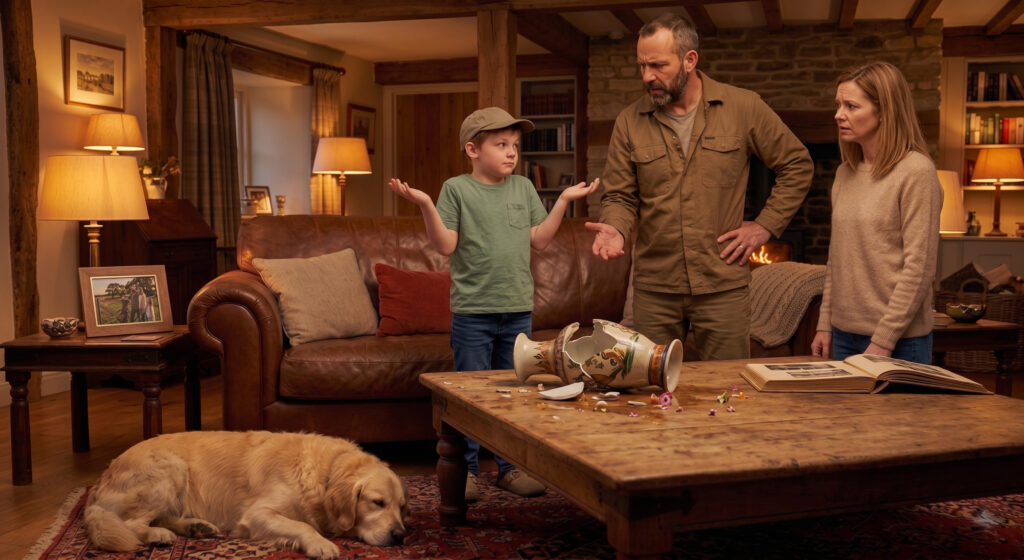
But, if is something really good!! Then, we do not want a disclaimer, we want to claim it. However, we will not claim anything posted by others.

General Information
The content provided on Anything Rural is for general informational and educational purposes only. While we may strive to ensure the accuracy of the information shared, rural living, DIY projects, and homesteading practices often involve unique variables, local regulations, and safety considerations that we have no knowledge or understanding of, and even if we do, may change. We make no representations or warranties of any kind, express or implied, about the completeness, accuracy, or reliability of the information contained herein.
DIY and Safety Warning
Many of the projects discussed on this site involve construction, electrical work, plumbing, HVAC and the use of power tools or heavy equipment. These activities carry inherent risks. You are responsible for your own safety, please post what YOU do to make things safe on your projects! . Always prioritize proper safety gear, follow manufacturer instructions, and adhere to all local building codes and regulations. If you are not comfortable or qualified to perform a task, please consult a licensed professional. Anything Rural shall not be held liable for any injury, property damage, or loss resulting from the use of information found on this site.
User-Generated Content
Our community forums and comment sections allow for user-generated content. Please be aware that the views expressed by users are their own and do not necessarily reflect the view(s) of Anything Rural. We encourage open discussion, but we are not responsible for the accuracy or consequences of advice shared by other members.
You are solely responsible for the content you post. By submitting material, you represent and warrant that you have the right to share it and that it does not infringe on any third-party rights. Anything Rural does not endorse and is not responsible for any user-generated content and may not represent the views of Anything Rural. We encourage open discussion, but we are not responsible for the accuracy or consequences of advice shared by other members.
Professional Advice The information on this site is not a substitute for professional legal, financial, or engineering advice. Always seek the advice of a qualified professional regarding specific questions or situations related to your property or homestead. Then, whatever is offered, confirm and make sure your local AHJ will approve it.
External Links Our site may contain links to third-party websites. These links are provided for your convenience and do not imply endorsement of those sites. We have no control over the content or practices of third-party websites.
Updates We reserve the right to update, change, or replace any part of this disclaimer at any time. Your continued use of this website constitutes your acceptance of how this disclaimer stands at the time you use it.
Codes and Stuff
Nothing written in here by us supersedes any codes or local building requirements. For expert direction make use of the:
United States
- NEC (National Electrical Code): Governs electrical design, wiring methods, and safety standards (NFPA 70 National Electrical Code).
- IRC (International Residential Code): Regulates construction, structural integrity, and energy efficiency for one- and two-family homes (ICC International Residential Code).
- IBC (International Building Code): Sets structural, fire, and life-safety standards for commercial and multi-family structures (ICC International Building Code).
- IFC (International Fire Code): Governs wildfire mitigation, defensible space, and emergency vehicle access (ICC International Fire Code).
- Local County & Municipal Ordinances: Local zoning, land-use, and building department rules (e.g., Placer County Planning Department).
Australia
- AS/NZS 3000 (Wiring Rules): The benchmark Australian and New Zealand standard for electrical installations, safety, and wiring methods.
- NCC (National Construction Code): Administered by the Australian Building Codes Board (ABCB), combining the Building Code of Australia (BCA) and the Plumbing Code of Australia into a single regulatory framework.
- AS 3959 (Construction of Buildings in Bushfire-Prone Areas): Crucial for rural and regional properties, dictating structural resilience against bushfires.
- Local Council Local Environmental Plans (LEPs) & Development Control Plans (DCPs): Dictate zoning, land usage, and environmental overlays at the local government area (LGA) level.
Canada
- CEC (Canadian Electrical Code): Published by the Canadian Standards Association (CSA Group), governing all electrical installations and safety nationwide.
- NBC (National Building Code of Canada): Sets out technical provisions for the design and construction of new buildings.
- NECB (National Energy Code of Canada for Buildings): Governs energy efficiency requirements for building envelopes, lighting, and HVAC systems.
- Provincial Building Acts & Municipal Bylaws: Provinces (such as Ontario or British Columbia) adopt and amend the national codes, while local municipalities manage zoning, permits, and rural bylaws.
United Kingdom
- BS 7671 (IET Wiring Regulations): The national standard for electrical installations in the UK, published by the Institution of Engineering and Technology (IET) and BSI.
- Building Regulations (England / Wales / Scotland / Northern Ireland): Statutory instruments that set standards for the design and construction of buildings to ensure safety, health, and sustainability.
- Town and Country Planning Act: Governs land-use planning, development control, and planning permission administered by local authorities.